The 11 basic colors in Turkish
The basic colors in Turkish are kırmızı (red), mavi (blue), yeşil (green), sarı (yellow), siyah (black), beyaz (white), pembe (pink), turuncu (orange), mor (purple), kahverengi (brown) and gri (gray). As adjectives, they keep the same form, as in kırmızı araba (red car) and kırmızı arabalar (red cars). Tap a color to hear it.
- kırmızıred · say: kuhr-muh-ZUH
- maviblue · say: mah-VEE
- yeşilgreen · say: yeh-SHEEL
- sarıyellow · say: sah-RUH
- siyahblack · say: see-YAH
- beyazwhite · say: beh-YAHZ
- pembepink · say: pam-BEH
- turuncuorange · say: too-roon-JOO
- morpurple · say: MOR
- kahverengibrown · say: kah-VEH-ren-ghee
- grigray · say: GREE
renk (RENK) means color.renkler (renk-LER) means colors.
Learning colors in Turkish is easier than in many languages. A color adjective keeps the same form with singular and plural nouns, and Turkish spelling follows the sounds closely. Below you can hear every color, learn the light and dark shades, the older words still found on the map, a few everyday sayings and how to ask what color something is. Then you can practice with flashcards, a speaking check and a quiz. Ten of these colors are in Lexora's A1 course for Turkish. If you spell it colours, nothing changes. The Turkish words are the same.
How Turkish colors sound
Turkish spelling gives you a good guide to pronunciation. Some letters sound different from their English lookalikes, and some are new to English speakers. The pronunciation guides are approximate. Capital letters mark the stressed syllable.
Tap a letter to hear it
Each button plays an example.
In many Turkish words, stress falls on the last syllable, as in kuhr-muh-ZUH (kırmızı) and yeh-SHEEL (yeşil). In mavi, keep the first vowel long and stress the second syllable: mah-VEE. Some compounds stress their first part. In kahverengi, the stress falls on ve: kah-VEH-ren-ghee. Some endings can take stress, like -ler in renk-LER. The question particle mı is written separately and is unstressed, as in VAR muh. In a full sentence, emphasis can shift depending on what the speaker wants to highlight. Use the phrase audio to hear an example. Watch the dots: ı and i are different letters, and so are their capitals, I and İ.
Turkish colors list
Pick a group and tap the speaker to hear a word. To test yourself, switch on Hide English. The last two groups have the phrases you need to ask about colors and three sayings Turkish speakers really use.
46 Turkish color words and phrases
- kırmızısay: kuhr-muh-ZUH
- mavisay: mah-VEE
- yeşilsay: yeh-SHEEL
- sarısay: sah-RUH
- siyahsay: see-YAH
- beyazsay: beh-YAHZ
- pembesay: pam-BEH
- turuncusay: too-roon-JOO
- morsay: MOR
- kahverengisay: kah-VEH-ren-ghee
- grisay: GREE
- açık
- koyu
- açık mavi
- koyu mavi
- açık yeşil
- koyu yeşil
- koyu kırmızı
- açık pembe
- açık gri
- gök mavisi
- lacivert
- turkuaz
- bordo
- bej
- krem
- lila
- eflatun
- altın rengi
- gümüş rengi
- alsay: AHL
- al bayrak
- karasay: kah-RAH
- Karadeniz
- aksay: AHK
- Akdeniz
- Ne renk?
- Bu ne renk?
- Bu mavi.
- Araban ne renk?
- En sevdiğin renk ne?
- En sevdiğim renk mavi.
- Bunun siyahı var mı?
- Ak akçe kara gün içindir.
- pembe dizi
- yeşil ışık yakmak
The old color words kara, ak and al
Next to siyah, beyaz and kırmızı, Turkish keeps older native words for black, white and red. You will see them in names and set phrases.
Kara (black) and ak (white) name two seas. The Black Sea is Karadeniz, and the Mediterranean is Akdeniz, literally the "White Sea." Kara also appears in expressions like kara gün (hard times) and has a separate meaning of land. Al (red, scarlet) often appears in poetry and set phrases. One example is al bayrak, the red flag, a name for the Turkish flag.
The old pair also meets in a proverb: Ak akçe kara gün içindir. It literally means "A white coin is for a black day." The idea is to save money for a rainy day.
Practice with flashcards
Words stick when you pull them from memory, not when you read a list once. Say the color out loud before you flip the card, then be honest about whether you knew it.
Eight colors, one round
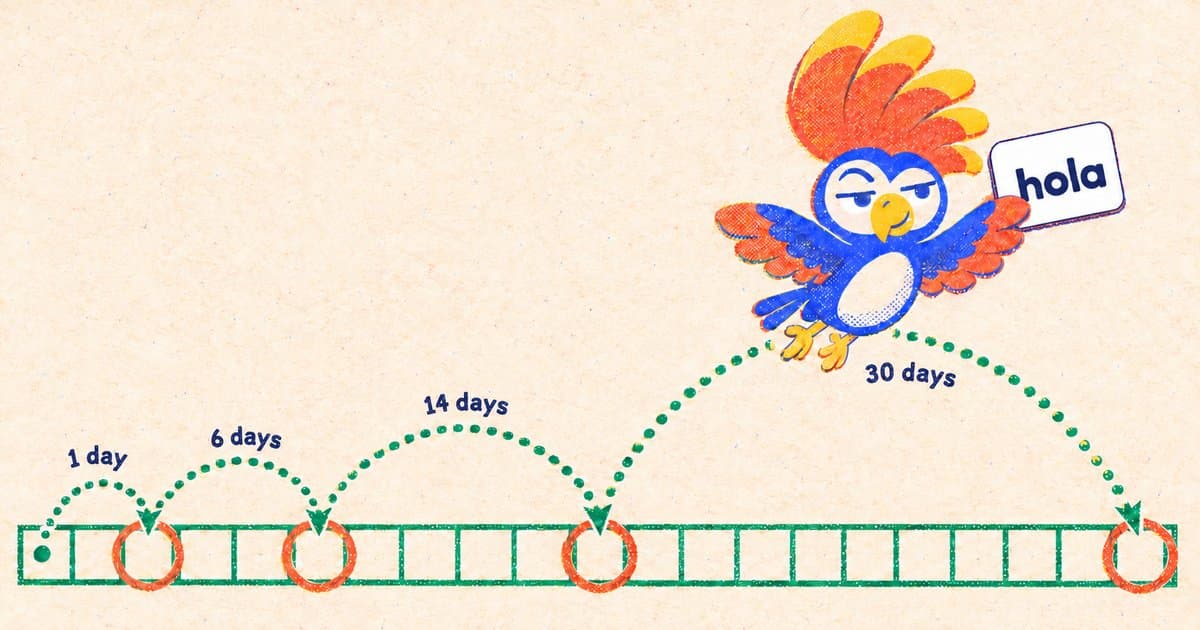
To still know them next month, review them again after a day, then after a week, then after two weeks. Our guide to the spaced repetition schedule explains why those gaps work.
Say them out loud
These six let you practice the dotless ı, ş, c, ç and the h in kahverengi. Pick one, listen, then press the microphone and say it. Your browser will show you what it heard.
Speaking check
Works in Chrome, Edge and Safari. Your browser does the listening, and nothing is sent to Lexora.
Quick quiz
Seven questions on the colors and the words around them. A question you miss now tells you what to review tomorrow.
How many do you remember?
Using Turkish colors as adjectives
A Turkish color adjective goes before the noun, as in English. Turkish has no grammatical gender, and only the noun takes the plural ending.
Hear the colors with a noun
- The color comes before the noun: kırmızı araba (red car).
- The color adjective keeps the same form with a plural noun: kırmızı arabalar (red cars).
- When bir means "a," it usually goes between the color and the noun: kırmızı bir araba (a red car).
A color can also stand on its own, like a noun. Then it takes endings like any noun, as in the shop question Bunun siyahı var mı? (Do you have this in black?). To see how much harder this is in other languages, compare the colors in Dutch, which add an ending before many nouns, and the colors in Arabic, which change for feminine nouns.
What to learn next
Colors are one small topic at the start of the A1 level. Here is the rest of the path in Lexora, up to the advanced vocabulary of C2.
Words at each level
The fastest way through it is a few minutes a day. Learn a handful of new words, say them with a noun, and review each one just before you would forget it. Our guide to the spaced repetition schedule explains why the gaps are 1, 6, 14, 30, 60 and 150 days.